

Mining in remote regions of Canada comes with significant risks that extend beyond logistics and environment. When operations take place hundreds of kilometres from the nearest town, traditional security models break down. Delayed emergency response, limited law-enforcement presence, extreme weather, and high-value assets create conditions where theft, protest, or operational disruption can escalate quickly. Remote mine security goes beyond surveillance and focuses on protecting people, safeguarding the product, and ensuring operational continuity in locations where help may take hours or even days to arrive.
1. Remote Mine Security: Isolation Amplifies Risk
Remote mine sites in the Yukon, Nunavut, and Northern Ontario face risks not seen in urban operations. Long supply routes expose fuel, equipment, and precious-metal shipments to higher theft risk during transportation. With limited on-site law-enforcement and delayed emergency response, security personnel must operate as first responders.
In remote environments the infrastructure deficit is acute: the Mining Association of Canada (MAC) notes that the North remains “one of the most expensive places to mine in the world” due to logistics and infrastructure gaps (1). One case study from a Yukon exploration camp documented frequent unauthorized access to airstrips and fuel depots when a general-purpose security provider was used. After switching to a provider with remote-site expertise, incidents dropped significantly (internal industry data).
Unlike industrial sites in urban areas, mines must function as self-sufficient security hubs. This means on-site response plans, satellite communication systems, robust logistics, and personnel trained to act independently when external backup is unavailable.
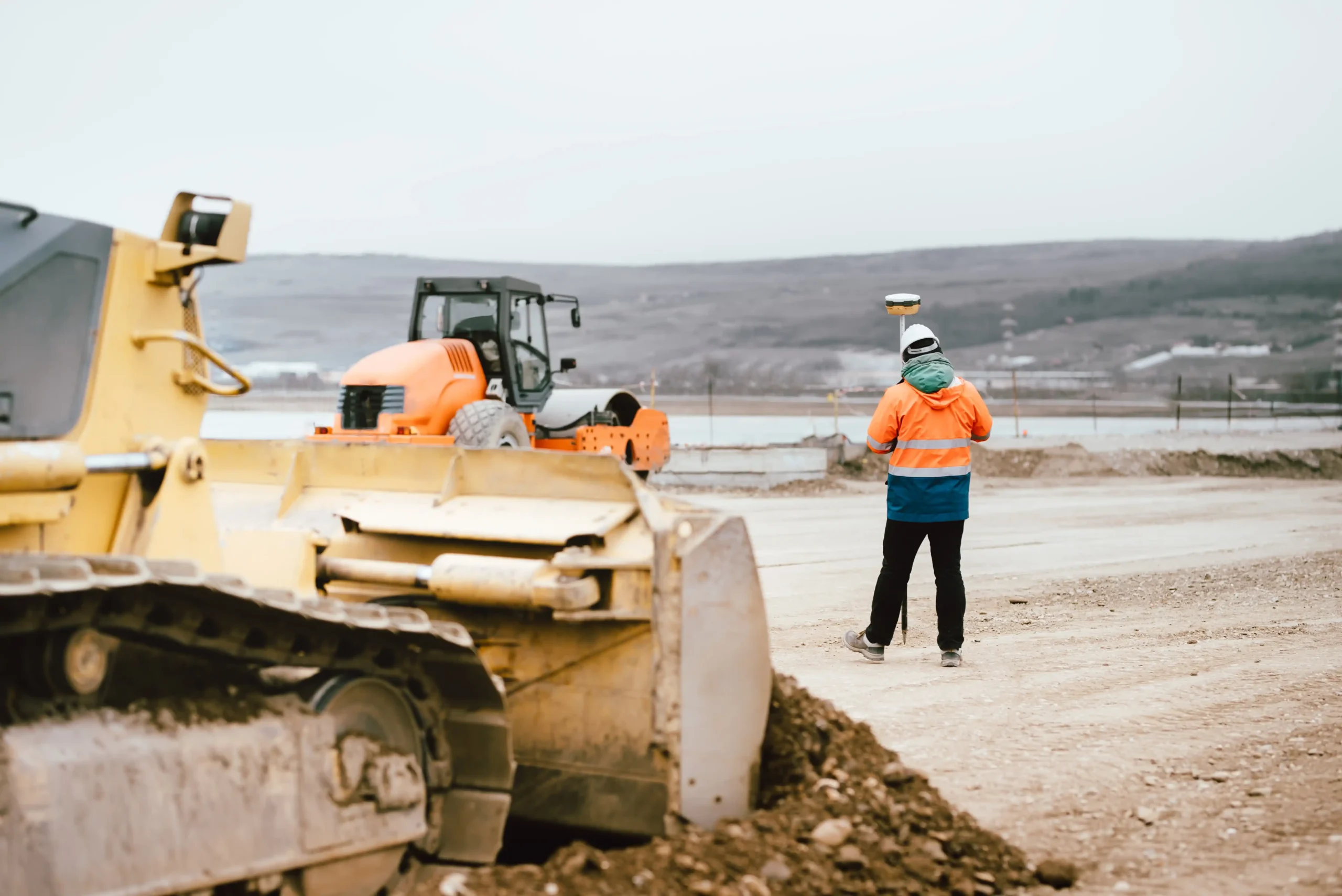
2. Remote Mine Security: Specialized Training for Extreme Conditions
Security in remote operations demands personnel with field survival skills, emergency medical training, and familiarity with mining procedures. Standard guard training is not sufficient. Personnel need to be prepared for extreme cold, isolated shifts, and multi-threat environments — from wildlife encounters to technical access-control failures.
MAC’s report emphasises that mines in remote regions must contend with infrastructure and workforce constraints that impact safety and operations (2). Another industry article identifies a gap where remote-trained security teams posted fewer safety and security incidents compared to teams used in urban-derived deployments (3).
Effective remote mine security personnel should be trained in:
- Cold-weather survival and hypothermia prevention
- Wilderness first aid and trauma response
- GPS tracking, satellite communication protocols and backup systems
- Mine access control, explosives-storage procedures and gold-room security protocols
- Wildlife encounters and environmental-safety awareness
Fly-in/fly-out rotations in regions such as Nunavut or Labrador require guards to operate without immediate medical, police or logistical backup for hours at a time. Security firms that understand these realities build resilience into team structure, equipment, and scheduling (for example rotating out fatigued staff, using buddy systems, and ensuring redundant comms).
When selecting a contract security provider, mining operations must verify that personnel training includes remote-site-security modules rather than relying on a generic industrial guard credential. The difference can mean the difference between a minor incident and a full-scale operational shutdown.
3. Remote Mine Security Technology: Extending Personnel Reach
In isolated regions, technology bridges the gap created by distance and limited staffing. Mines are increasingly investing in integrated systems that combine surveillance, access control, transport tracking and remote monitoring.
Common tools include:
- Satellite-linked CCTV towers capable of functioning in –40 °C conditions and remote locations
- Motion-activated thermal cameras around perimeter zones, fuel storage and tailings assets
- GPS-enabled vehicle tracking, geo-fencing and remote-disable features to prevent equipment misuse
- Drone patrols covering tailings ponds, airstrips and winter-road transport routes
- Encrypted digital logbooks and remote incident-reporting systems to support audit compliance
One case study of a Canadian mining outfit demonstrated how satellite connectivity overcame bandwidth barriers in a remote region (4). As digital threats expand, an article highlights how cyber-risks in mining are now translating into physical-security risks — meaning security providers must coordinate physical and IT/OT security (5).
Technology cannot replace on-site personnel, but it strengthens their reach. Remote-monitoring centres — when combined with trained on-site response teams — provide a layered defence against trespassing, theft and sabotage. Mining operators should ask contract security providers how technology is integrated, how data is managed, and what real-time incident response protocols exist.
4. Community and Indigenous Partnerships
Many remote mines operate on or near Indigenous lands. Security failures not only endanger assets but can also damage relationships with First Nations, Inuit and Métis communities — opening the door to protests, road blockades or reputational damage.
The most effective mine-security providers work collaboratively with local communities through:
- Hiring and training local security personnel and leveraging regional talent
- Cultural-awareness education for all on-site staff, including security teams
- Joint emergency response planning with Indigenous leadership and local authorities
- Transparent communication during incidents or environmental concerns
The MAC’s frameworks for responsible mining emphasise Indigenous engagement and community partnerships as essential for long-term operational stability (6). A mine in Northern Ontario successfully avoided a potential blockade by engaging community leadership early and involving local security stewards in access-road monitoring and equipment-shipment scheduling.
If a contract security provider treats Indigenous engagement as an afterthought rather than a core part of the program, the mining operation risks community push-back, work stoppage or regulatory delays — all of which can cost far more than the security budget.
5. Supply Chain and Transport Security
For remote mine sites, risk begins long before the product reaches the gold room or processing plant. Transportation of fuel, explosives, and precious-metal concentrates across rivers, ice roads and airstrips presents major security challenges.
Common vulnerabilities include:
- Theft of fuel or high-value metals from transport trucks or air-strip staging areas
- Unauthorized access to winter roads, private airstrips or remote landing zones
- Tampering with cargo manifests, GPS tracking systems or courier schedules
- Delays caused by weather, labour disputes or community blockades
Transport and logistics security must be integrated into site security planning, not treated as a separate silo. Providers should present a full lifecycle risk-assessment: from site equipment to transport, staging, shipment, and documentation review.
6. Emergency Preparedness and Self-Reliance
When the nearest RCMP detachment or hospital is hundreds of kilometres away, remote mine sites must become fully self-reliant. This includes emergency response, disaster planning and crisis communication.
Essential elements of remote emergency readiness:
- On-site medical stations with trained first responders
- Satellite phones, VSAT redundancy and backup communication channels
- Fire-suppression systems for camps, fuel depots and processing sites
- Evacuation protocols for plane, helicopter or winter-road evacuation
- Stockpiled supplies of fuel, food, and PPE for weather-related shutdowns
Operators should ask their contract security providers: Do you have medevac coordination protocols? How do you plan for power failure, weather-shutdowns, wildlife incidents, or external protest blockades? The best providers deliver documented plans, training drills and proof of past performance.
Conclusion: Security Built for Distance, Designed for Resilience
Remote mine security represents a strategic survival strategy, not merely an operational requirement. Distance, weather, and isolation turn small oversights into major incidents. The right security approach combines trained personnel, advanced technology, supply-chain vigilance, Indigenous partnerships and emergency self-reliance.
Choosing a contract security provider is one of the most important strategic decisions a mine operator can make. The right provider delivers more than personnel; they ensure peace of mind, operational efficiency, and protection against theft, disruption, and reputational risk.
At Western Protection Alliance, we support Canada’s most challenging mining environments. Our services include remote deployment, gold-room security, winter-road convoy protection, full audit programs, and continuity planning built on over three decades of experience in the Canadian mining sector.
Contact us today to protect your people, your product, and your reputation — with security expertise designed for Canada’s mining operations.
References
- Mining Association of Canada. MAC Annual Report 2023: Mining in Remote Regions. https://mining.ca/flippingbooks/mac-report-2023/
- Mining Association of Canada.
- Mining Security Working Group (MSWG). “Guidance on Developing Security Management Plans”. https://mswg.ca/
- Network Innovations. Case Study: Managing Remote Mine Sites in Yukon. https://blog.networkinnovations.com/hubfs/Mining%20Starlink%20Case%20Study-web.pdf
- Cybersecure Catalyst. When Digital Threats Become Physical Risks: Mining Security Insights. https://cybersecurecatalyst.ca/when-digital-threats-become-physical-risks-why-cybersecurity-is-minings-next-safety-standard/
- Natural Resources Canada. Responsible Mining Practices and Indigenous Engagement. https://natural-resources.canada.ca/minerals-mining/canadian-mineral-exploration