
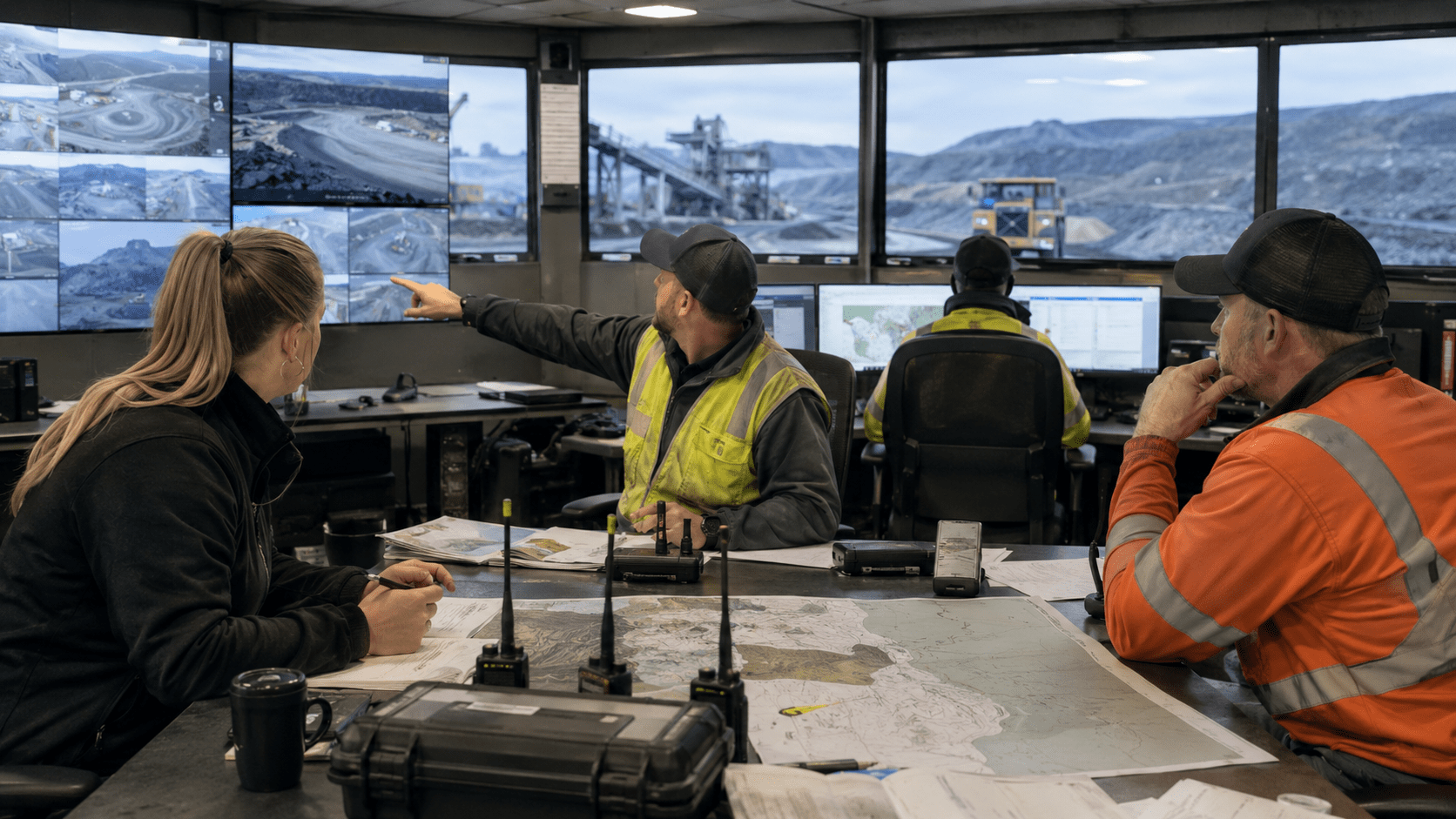
Choosing the right remote mine security provider can affect cost, safety, liability, confidentiality and operational continuity.
Remote mine security is not the same as standard commercial security. Mining projects may involve exploration camps, high-value materials, harsh weather, limited infrastructure, fly-in/fly-out logistics, First Nations engagement and sensitive project information.
The wrong provider can create staffing problems, weaken reporting, increase liability or place the wrong personnel in a difficult environment. The right provider should understand mining operations, remote conditions, personnel fit, confidentiality and the responsibility that comes with protecting high-value assets.
Before selecting a security provider for a remote mine site, operators should review six major areas: cost, experience, regional conditions, First Nations engagement, liability and confidentiality.
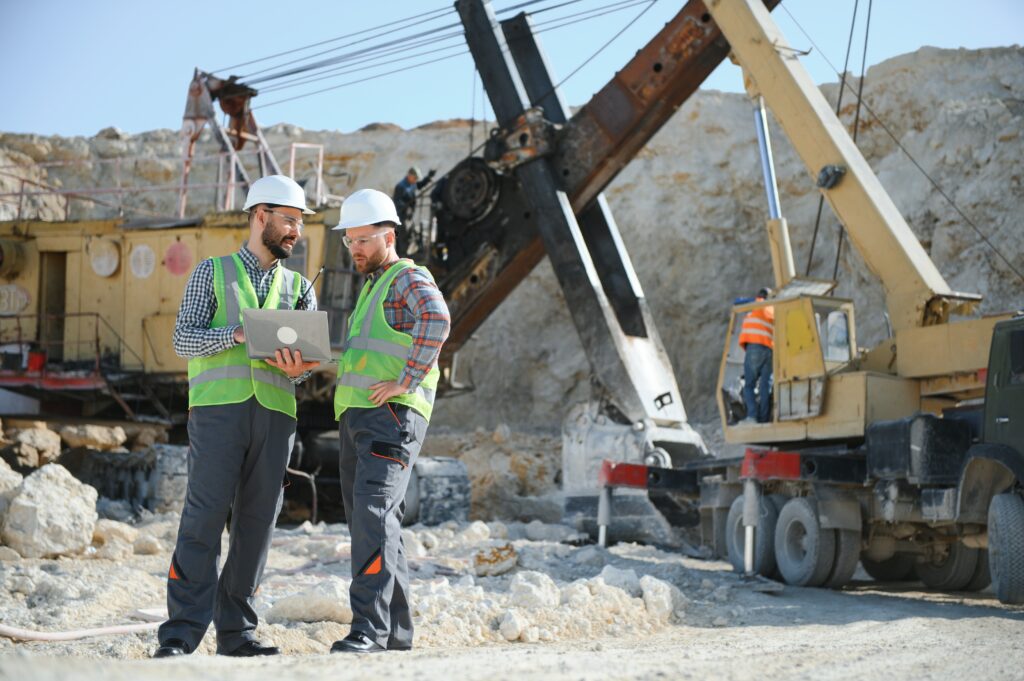
How a Remote Mine Security Provider Controls Cost
Cost is often one of the first issues mining operators consider.
Many projects compare in-house security staffing with contract-based security. In-house staffing may appear simple, but remote mine sites can make employee management more difficult. If an in-house employee is not the right fit, replacing that person can take time.
Contract-based security can provide more flexibility. If a guard or supervisor is not suited to the project, the operator can request a replacement through the provider. This matters in remote mining environments, where personnel must work independently, follow procedure, maintain confidentiality and perform under pressure.
Operators should not compare security options by hourly rate alone. They should also consider recruitment, supervision, training, replacement coverage, travel, insurance, management time and the cost of placing the wrong person in a critical role.
Why Remote Mine Security Provider Experience Matters
Experience is one of the most important factors when choosing a remote mine security provider.
A provider should be able to explain its experience with projects similar to the operator’s site. This may include exploration camps, construction-stage projects, producing mines, high-value material sites or care and maintenance operations.
Mining security requires a different approach than routine commercial security. Personnel may work in isolated areas, manage access points, monitor valuable materials, respond to incidents and operate with limited immediate support.
Operators should ask for mining-specific references. It is not enough for a provider to say it has supplied guards before. The goal is to understand whether the company has experience with remote work, camp settings, industrial risk, weather exposure, logistics and high-value asset protection.
Source: Natural Resources Canada – Mining and mineral resource development in Canada
Consider Remote Mine Site Conditions
Remote mining projects vary widely by region, access and operating conditions.
A provider that can support a site near an established town may not be prepared for a northern exploration camp, winter access road, fly-in/fly-out project or remote site with limited infrastructure. Weather, transportation, communications, accommodations and emergency access can all affect the security plan.
Operators should ask where the provider has worked before. The provider should be able to explain whether it has supported northern projects, winter conditions, exploration-stage camps, construction sites, producing mines or care and maintenance sites.
Regional experience matters because remote security is not only about placing personnel at a gate. It is about understanding the environment, travel limitations, communication challenges and the operating reality of the project.
Source: Government of British Columbia – Health, Safety and Reclamation Code for Mines in British Columbia
First Nation Engagement in Mine Site Security
First Nations engagement can be an important part of remote mine security planning.
Many mining projects operate in or near traditional territories where relationships, communication and local participation matter. A security provider working in that environment should understand respectful engagement, community awareness and professional conduct.
Operators should ask whether the provider has experience working with First Nations communities, Indigenous-owned businesses or local hiring initiatives. A provider should not treat First Nations engagement as a checkbox. Its personnel represent the project at access points, camps, roads and operational areas.
Source: Government of Canada – Local Procurement Checklist to Support Indigenous Procurement in Mining
Liability Risks With Remote Mine Security
Liability is another major consideration when choosing between in-house security and contracted mine security.
When a company hires security personnel directly, it may assume more responsibility for supervision, performance, training, discipline, replacement and employment-related issues. In-house security can also create concerns around familiarity, internal relationships and potential conflicts of interest.
Contracted security can help reduce some of these concerns when the provider brings proper supervision, insurance, reporting systems and personnel management. A third-party provider may also reduce the risk of internal collusion because security personnel remain separate from the operator’s workforce structure.
Operators should ask about insurance, liability coverage, supervision, incident reporting and escalation procedures before selecting a provider.
Confidentiality and Integrity in Mine Site Security
Confidentiality is critical in remote mine security.
Security personnel may observe sensitive information about mineral assets, production activity, exploration work, site vulnerabilities, access controls, worker movement, high-value materials and internal operations. A provider must understand that this information cannot be treated casually.
Operators should look for a provider with a proven track record of discretion, integrity and confidentiality. This includes how personnel are screened, trained and supervised. It also includes how the company handles reports, photos, video, access logs, incident records and other sensitive site information.
Confidentiality protects more than the operator’s reputation. It can also protect commercial information, site security, worker safety and project credibility.
The Right Mine Security Provider Protects the Project
Choosing a security provider for a remote mine site is not only about filling a schedule. It is about protecting people, assets, information and continuity in a difficult operating environment.
The right provider should understand cost control, remote staffing, mining experience, regional conditions, First Nations engagement, liability protection and confidentiality. Strong supervision and flexibility also matter, especially when a project needs to replace personnel or maintain standards in challenging conditions.
At Western Protection Alliance, remote mine security is not just about placing guards on a project. It is about helping operators protect safety, high-value assets, operational continuity and project reputation from exploration through care and maintenance.
If your organization is evaluating security options for a remote mining project, the best time to choose the right provider is before the site is under pressure. Once a project is active, every staffing issue, communication gap, confidentiality concern or security failure can become harder to correct.
Sources
- Natural Resources Canada – Indigenous participation in mining information
https://natural-resources.canada.ca/natural-resources-indigenous-peoples/indigenous-participation-mining-information-products - Natural Resources Canada – Mining and mineral resource development in Canada
https://natural-resources.canada.ca/minerals-mining/canadian-mineral-exploration - Government of Canada – Local Procurement Checklist to Support Indigenous Procurement in Mining
https://publications.gc.ca/site/eng/9.933611/publication.html - Western Protection Alliance – Mine Security Services
https://youtu.be/OigLuGHzPpY?si=R5xxlgF-vSLOm3AW