
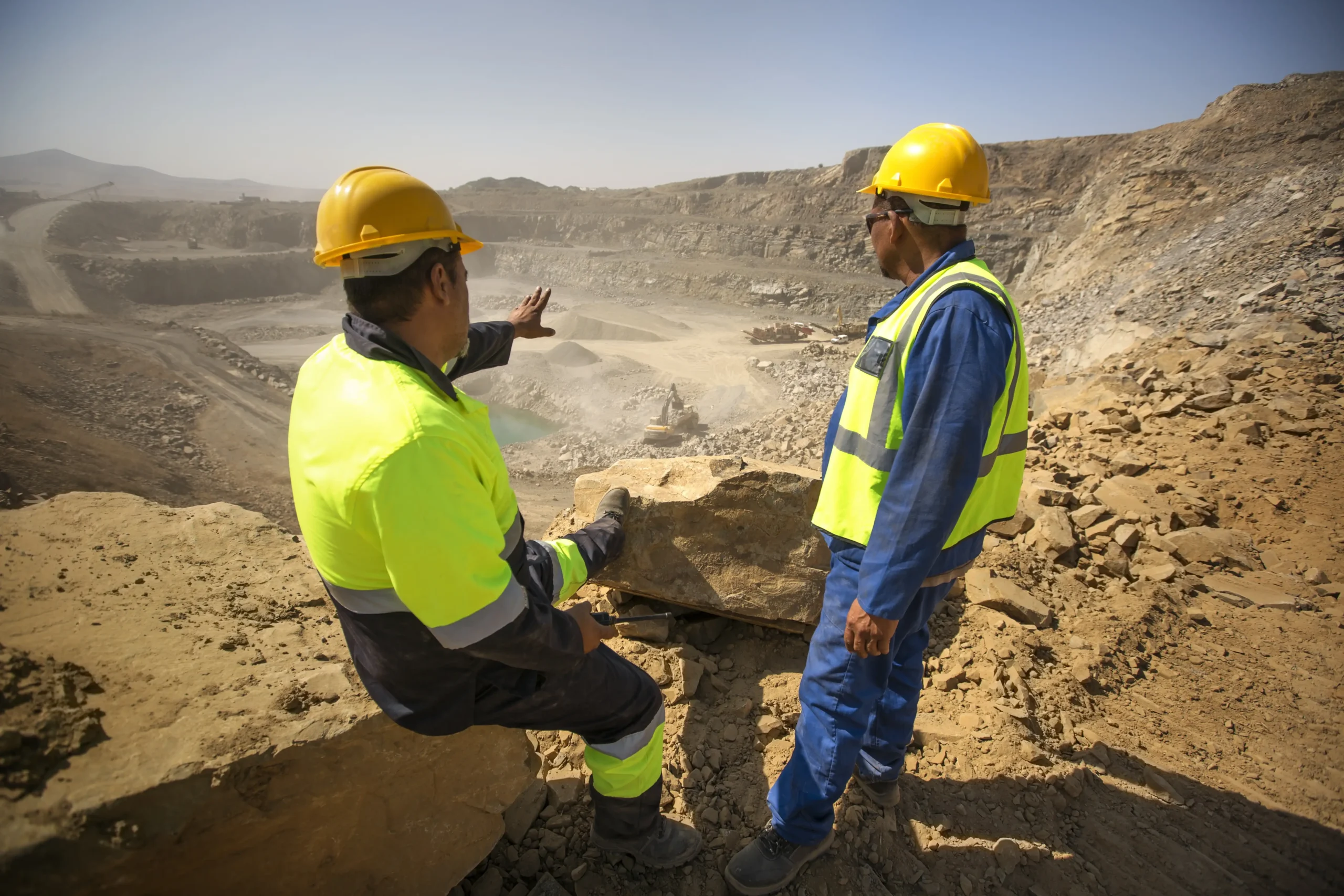
Search and seizure of contraband in a remote mining environment requires clear policy, trained personnel, proper documentation and controlled communication. Workers may live on site, travel through controlled access points, operate heavy equipment and work in safety-sensitive roles hours away from police, emergency services or replacement personnel. In that environment, contraband is not just a policy issue. It can become a safety, operational and legal concern.
Contraband in a remote mining environment may include drugs, alcohol, firearms, prohibited blades, unauthorized tools or other items restricted under the mine’s policies. The exact definition should come from the client’s site rules, drug and alcohol policy, camp policy and applicable law.
A search and seizure process should never feel improvised. It needs structure, documentation, clear authority and proper communication. In a remote setting, the wrong approach can create confusion, increase liability or weaken the employer’s ability to act.
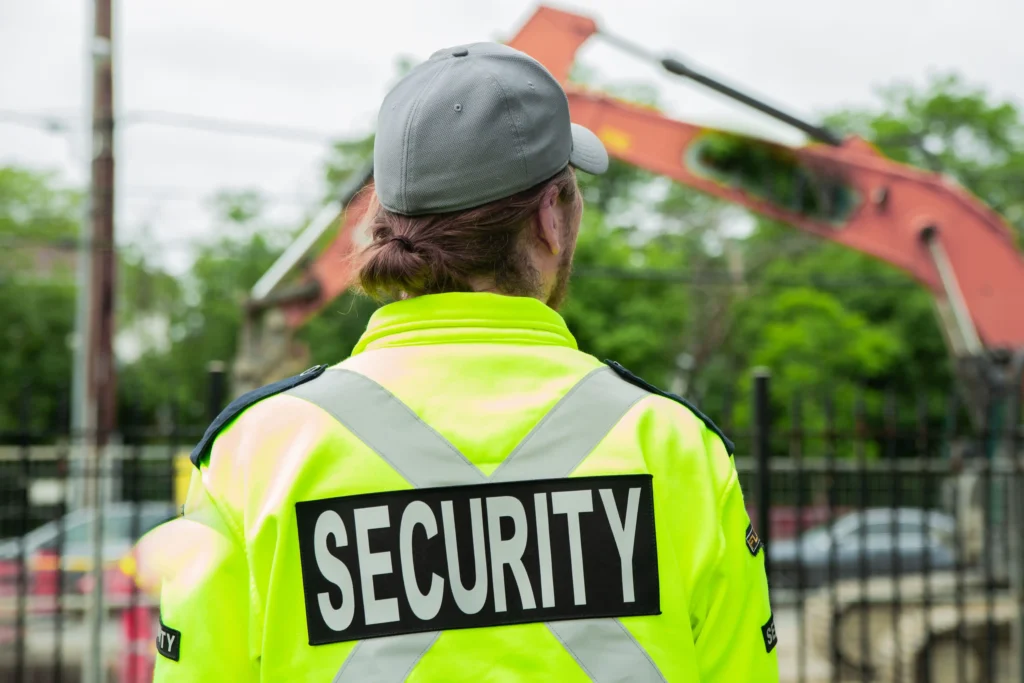
Phase 1: Search and Seizure of Contraband Starts With Site Policy
The first phase starts before any search takes place.
The mine operator should clearly define what counts as contraband on site. This may include illegal drugs, alcohol, firearms, blades over a certain length, unauthorized weapons, prohibited tools or other restricted items that do not relate to the person’s assigned work.
This definition matters because security personnel should not make up rules in the field. They should enforce the client’s written policy. The policy should explain what items the site prohibits, when searches may occur, who may conduct them, how personnel should document findings and what steps follow after discovery.
Remote mining environments often involve safety-sensitive work. The Canadian Centre on Substance Use and Addiction has published workplace substance use research focused on safety-sensitive positions and the need for workplace culture, policies and supports that address substance use risks.
Source: Canadian Centre on Substance Use and Addiction
Employers should also consider privacy and human rights issues when developing search, drug and alcohol policies. The Ontario Human Rights Commission notes that Canadian human rights and arbitration case law addresses workplace drug and alcohol testing in safety-sensitive positions and dangerous work environments, while also requiring employers to consider privacy and human rights obligations.
Source: Ontario Human Rights Commission
Phase 2: Select the Right Search Method
The second phase is selecting the right search method for the type of contraband involved.
The method should depend on what the site is trying to find. If the concern involves drugs or alcohol, a mine may use trained canine teams and canine handlers, depending on site policy and circumstances. If the concern involves weapons, unauthorized blades, dangerous tools or other physical items, trained security personnel may conduct a manual search in accordance with the client’s policy. The search and seizure of contraband process should match the specific item the site is trying to locate.
Security personnel should understand the limits of their role. They are not police officers. Their authority usually comes from the employer’s property rights, site access conditions, camp rules, employment-related policies and consent or acknowledgement processes built into the site’s procedures.
A professional search process should include a clear reason for the search, trained personnel, a respectful process, witnesses where appropriate, documentation of the area or item searched, and immediate escalation if contraband appears.
Phase 3: Respond When Contraband Is Discovered
The third phase begins when a search produces a result.
That result may involve a canine indication on baggage, a vehicle or an individual’s belongings. It may also involve security personnel finding actual contraband during a manual search. Once that occurs, the client’s policy should guide the next steps.
In many remote mining environments, the drug and alcohol policy will come into play immediately if the item involves drugs or alcohol. Depending on the policy, the employer may need to remove the person from safety-sensitive work, notify site leadership, involve human resources, begin an investigation or activate a fit-for-duty process.
If the contraband involves a firearm, prohibited blade or dangerous tool, the site may need to assess whether the item violates camp rules, mine access rules, criminal law or occupational safety requirements.
Security personnel should avoid making legal conclusions in the field unless the issue clearly requires immediate police involvement. Their role is to secure the area, preserve evidence, document the discovery and notify the proper chain of command.
Phase 4: Chain of Custody in Search and Seizure of Contraband
The fourth phase is chain of custody.
Contraband handling creates risk. An illegal substance may raise legal and safety concerns if personnel handle it improperly. Weapons require immediate control in a way that protects people on site. For alcohol or another policy-prohibited item, the site still needs a clear record of what happened.
Chain of custody means documenting who found the item, who took control of it, where it went, who handled it and how the site preserved, transferred or disposed of it. Without that continuity, the employer may struggle to rely on the evidence later.
This is especially important in remote environments because local law enforcement may be a significant distance from the site. Police may not always be available to attend immediately for small quantities of suspected contraband. That does not remove the need for proper communication, documentation and controlled handling.
The Controlled Drugs and Substances Act includes reporting obligations for peace officers, inspectors or prescribed persons who seize, find or otherwise acquire controlled substances, precursors or chemical offence-related property.
Source: Controlled Drugs and Substances Act, Section 12.1
Health Canada also provides guidance and reporting tools for law enforcement agencies and other parties dealing with seizure and disposition reporting for controlled substances, precursors, cannabis and related property.
Source: Health Canada – Reporting Seizure and Disposition of Controlled Substances
Mining operators should not treat destruction or transfer of suspected illegal substances casually. The site should follow legal advice, client policy, police direction where available and procedures involving qualified personnel. If destruction occurs under a lawful and approved process, the site should document it carefully with photographs, witnesses, written reports and clear approvals.
Phase 5: Communicate, Document and Complete the Report
The fifth phase is communication and final documentation.
Remote mine sites should have a clear communication pathway for contraband incidents. That may include site security, the mine manager, human resources, health and safety, camp management, corporate leadership, legal counsel and local police. The final report should show how the search and seizure of contraband process moved from discovery to communication, documentation and outcome.
Police communication deserves special attention. If illegal substances, firearms or other potentially criminal items appear, the local police department should know what occurred. In remote settings, police may not attend immediately, but the site should still document the communication attempt, the information provided and any direction received.
The final report should explain why the search occurred, who conducted it, what method they used, what they found, how they controlled the item, who they notified and what happened afterward.
A complete report may include the incident summary, policy reference, search method, personnel present, photos, canine indication notes if applicable, manual search notes, chain of custody record, police communication record, client notification record and final outcome under the client’s policy.
Search and Seizure of Contraband Requires Planning Before the Incident
Search and seizure in a remote mining environment should never depend on improvisation. The process should start with a clear policy, trained personnel, appropriate search methods, controlled handling, police communication and complete documentation.
For Canadian mining operations, contraband can create serious risk. Drugs or alcohol may affect safety-sensitive work. Weapons or prohibited blades may create immediate safety concerns. Unauthorized tools may become dangerous if workers carry them outside their intended purpose. In a remote camp, even a small incident can become more serious because of distance, isolation and limited response options.
At Western Protection Alliance, remote mining security is not just about access control or visible presence. It is about helping clients maintain safety, enforce site policy, document incidents and respond professionally when difficult situations arise.
If your mining operation is reviewing its contraband policy, remote camp security procedures, canine screening process or incident documentation standards, the best time to strengthen the process is before the next search occurs.
Sources
- Canadian Centre on Substance Use and Addiction – Workplaces and Substance Use: Safety-Sensitive Positions
https://www.ccsa.ca/en/workplaces-and-substance-use-safety-sensitive-positions - Ontario Human Rights Commission – Drug and Alcohol Testing: Frequently Asked Questions
https://www.ohrc.on.ca/en/drug-and-alcohol-testing-frequently-asked-questions - Controlled Drugs and Substances Act, Section 12.1
https://laws-lois.justice.gc.ca/eng/acts/c-38.8/page-3.html - Health Canada – Guidance Document: Reporting Seizure and Disposition of Controlled Substances
https://www.canada.ca/en/health-canada/services/health-concerns/controlled-substances-precursor-chemicals/law-enforcement-information/seizure-disposition-guidance.html - Western Protection Alliance – Remote Mine Security Services https://www.westernalliance.ca/remote-mine-security-2/
- Western Protection Alliance – 5 Phases In Search and Seizure of Contraband In A Remote Mining Environment in Canada https://youtu.be/N9xDW8FOaJY?si=n84si6oezgaFe9ce