
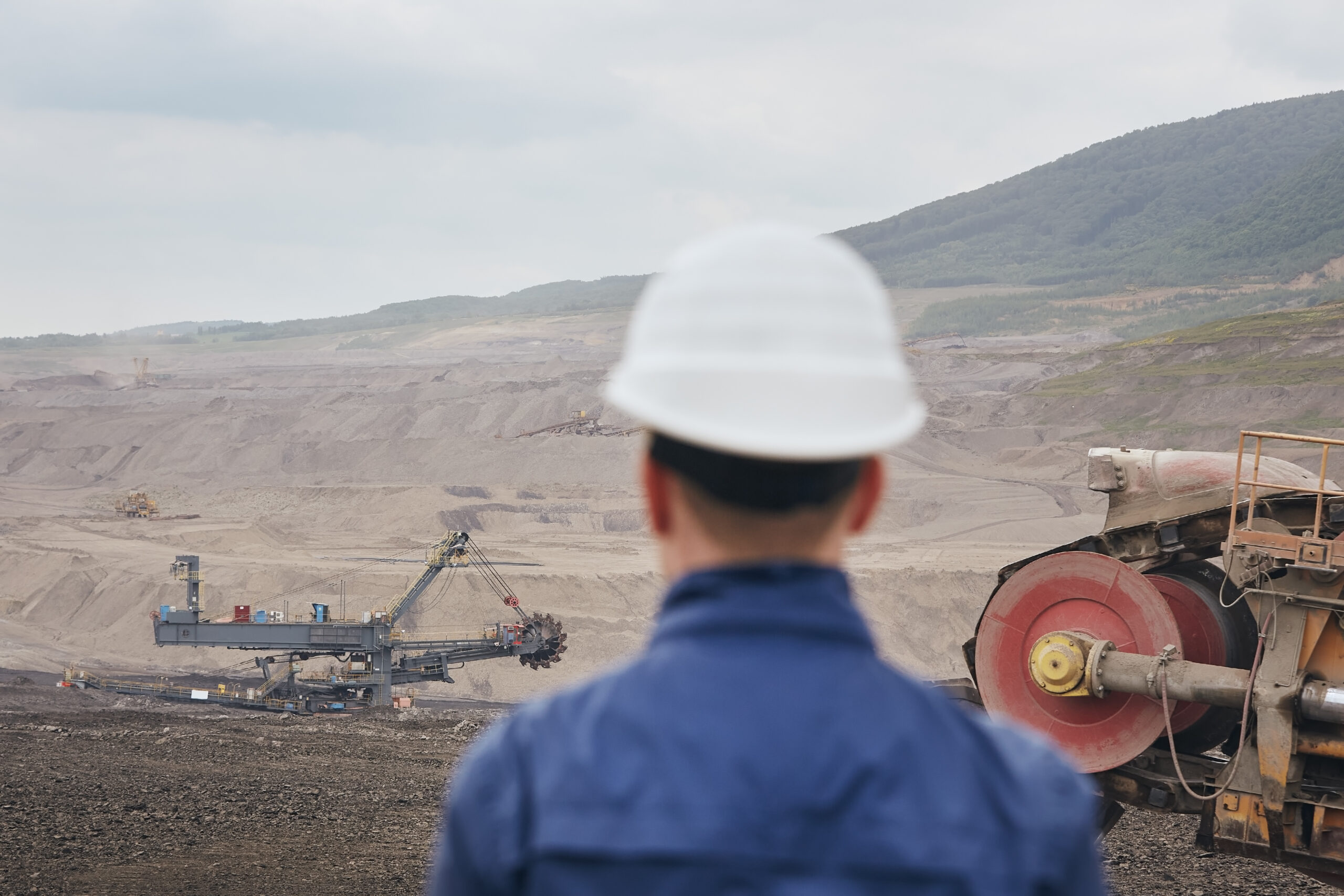
Exploration site security should begin before a project reaches the construction stage. By the time an exploration camp grows beyond a small field crew, the site may already contain drill equipment, fuel, vehicles, core samples, contractors, access roads, communications equipment, and valuable geological information.
Natural Resources Canada reports that mineral exploration and deposit appraisal expenditures in Canada reached approximately $4.1 billion in 2024. That level of investment means exploration sites are already active operating environments long before a mine is built.
Source: Natural Resources Canada – Minerals and the Economy
1. Exploration Sites Already Have Valuable Assets
Security is often associated with construction or production, but exploration sites can already hold significant assets. A larger exploration camp may have drill rigs, generators, fuel, vehicles, tools, communications equipment, and stored samples.
Those assets create both operational and security risks. The issue is not simply theft. It is also accountability. If equipment disappears, fuel is accessed improperly, or restricted areas are left uncontrolled, the project may lose time and management attention.
Security can help establish controlled access, patrols, incident reporting, and clear expectations before the site becomes more complex.
2. Core Samples Need Proper Control
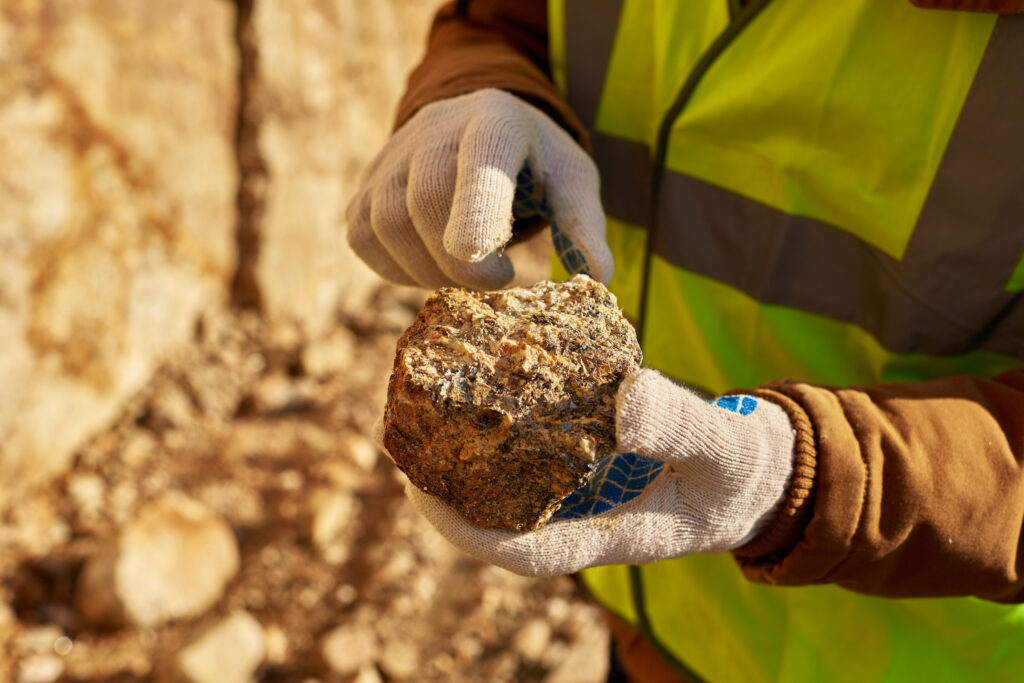
Core samples can be some of the most important material on an exploration site because they support geological interpretation, resource evaluation, and technical disclosure.
The Canadian Institute of Mining, Metallurgy and Petroleum’s Mineral Exploration Best Practice Guidelines state that a chain of custody should be established and recorded for samples. The guidelines also call for appropriate security procedures during sample preparation and analysis.
That does not mean security personnel replace geologists or qualified persons. It means exploration companies should treat sample handling, storage, and movement as controlled processes. At some sites, additional security may be appropriate around core storage, bulk samples, visible gold, or other high-value material.
Source: CIM Mineral Exploration Best Practice Guidelines
3. Exploration Site Security Helps Manage Contractor Movement
Exploration camps often bring together multiple contractors performing different jobs. Drilling crews, geologists, camp staff, helicopter crews, mechanics, environmental contractors, and visitors may all move through the same site.
As the population grows, informal access becomes harder to manage. Security can support sign-in procedures, contractor verification, visitor records, vehicle access, and site-entry controls.
This becomes even more important when investors, board members, executives, or other visitors arrive at the project. A site that controls access properly sends a clear message that the project is being managed professionally and helps establish the discipline needed later as the project moves toward construction.
4. Remote Exploration Creates Response Challenges
Many exploration projects operate far from police, hospitals, fire services, and other outside assistance. Some sites are accessible only by long resource roads, while others rely on charter aircraft or helicopters. Weather can also affect access.
The Government of British Columbia requires mines to prepare a Mine Emergency Response Plan and provides guidance for organizing personnel, procedures, and response arrangements for mine emergencies. Remote exploration projects should account for site access, transportation availability, weather, communications, and the time required for outside assistance to reach the site.
Security personnel can support gate control, radio communication, emergency notifications, access records, and incident escalation. At fly-in and fly-out operations, companies may also decide to introduce baggage controls, prohibited-item policies, and other site-entry procedures appropriate to the operation.
Source: Government of British Columbia – Emergency Preparedness for Mines
5. Exploration Site Security Builds Early Discipline
One of the biggest advantages of introducing security during exploration is that it establishes procedures before the site grows. Exploration camps can begin with a relatively informal culture, and that may work when only a few people are present.
It becomes harder to manage when the workforce expands, contractor numbers increase, and the project begins moving toward construction. Introducing access controls, incident logs, visitor procedures, patrols, and escalation protocols early creates habits that can carry forward.
It is much easier to expand an established system than to introduce control for the first time after hundreds of people are already working on site. Security can also help management identify where procedures are missing before those gaps become larger operational problems.
Exploration Site Security Should Start Before Construction
Exploration is not an empty stage between discovery and construction. At larger exploration projects, there are already people, equipment, contractors, valuable samples, remote access challenges, and operational risks that need to be managed.
Early security can support access control, asset protection, personnel accountability, sample protection, incident reporting, and emergency communication.
At Western Protection Alliance, we support remote exploration and mining projects with security personnel and site procedures designed for the realities of Canadian field operations. The goal is not to turn an exploration camp into a producing mine before its time. The goal is to establish enough control that the project can grow safely and professionally.
If an exploration site already has a camp, contractors, drill equipment, fuel, valuable samples, and regular site traffic, security should not wait until construction begins.
Sources
- Natural Resources Canada – Minerals and the Economy
- CIM Mineral Exploration Best Practice Guidelines
- Government of British Columbia – Emergency Preparedness for Mines
- Western Protection Alliance – Early-Stage Mine Security: Protecting Canadian Exploration Camps
- Western Protection Alliance – Remote Mine Security: Protecting Canada’s Most Isolated Sites