
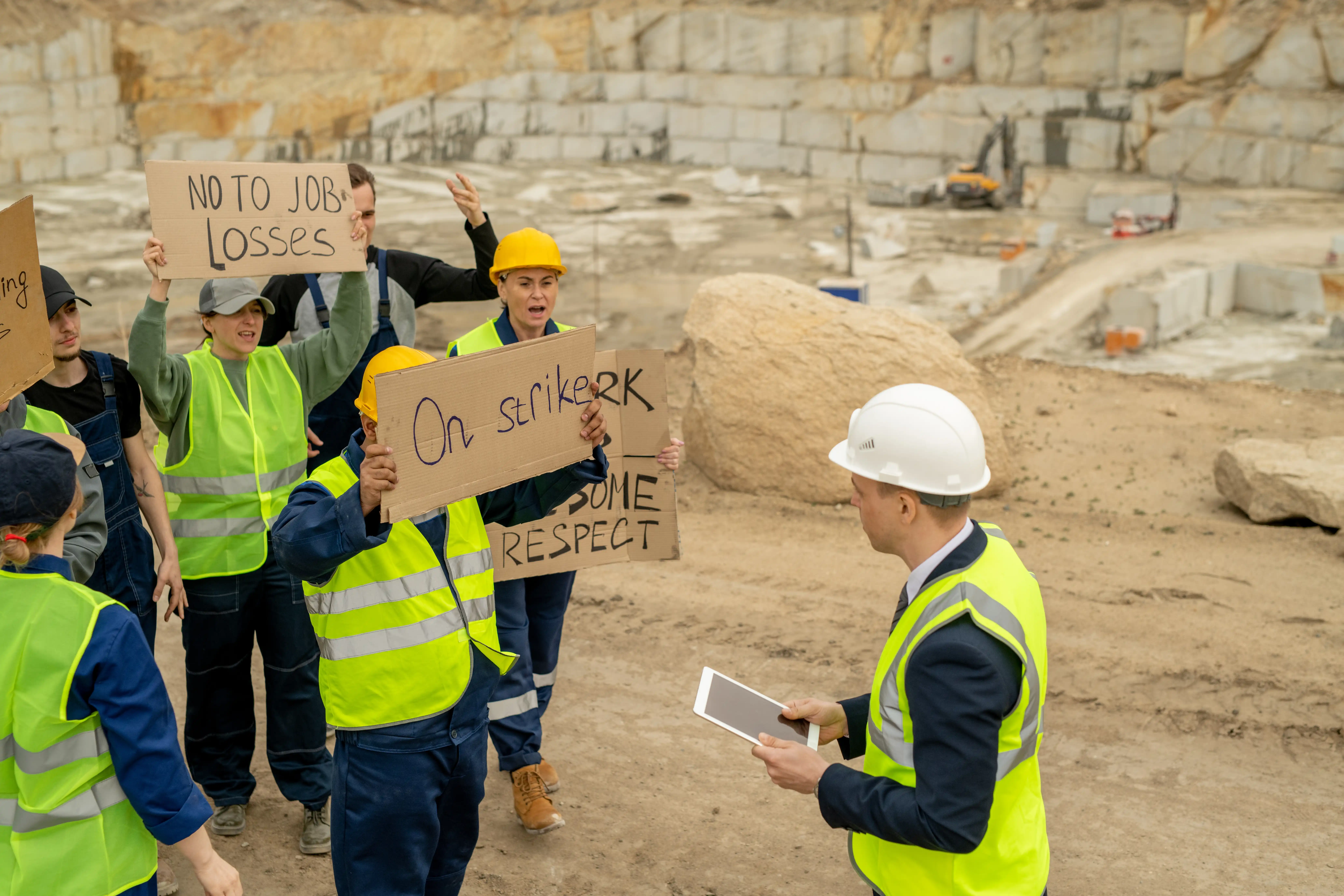
In the mining sector, a labour dispute can affect far more than the bargaining table. It can disrupt site access, contractor movement, employee crossings, critical infrastructure, supply routes, executive safety, evidence collection and operational continuity.
The difference between a controlled dispute and a crisis often comes down to preparation.
A mining company that waits until picketing begins may find itself reacting under pressure. A company that plans early can identify sensitive areas, prepare access procedures, brief supervisors, coordinate with legal counsel, establish evidence protocols and reduce confusion before tensions rise.
Labour dispute security should not begin at the gate on day one. It should begin well before the dispute becomes active.
Start With a Mining Labour Dispute Risk Assessment
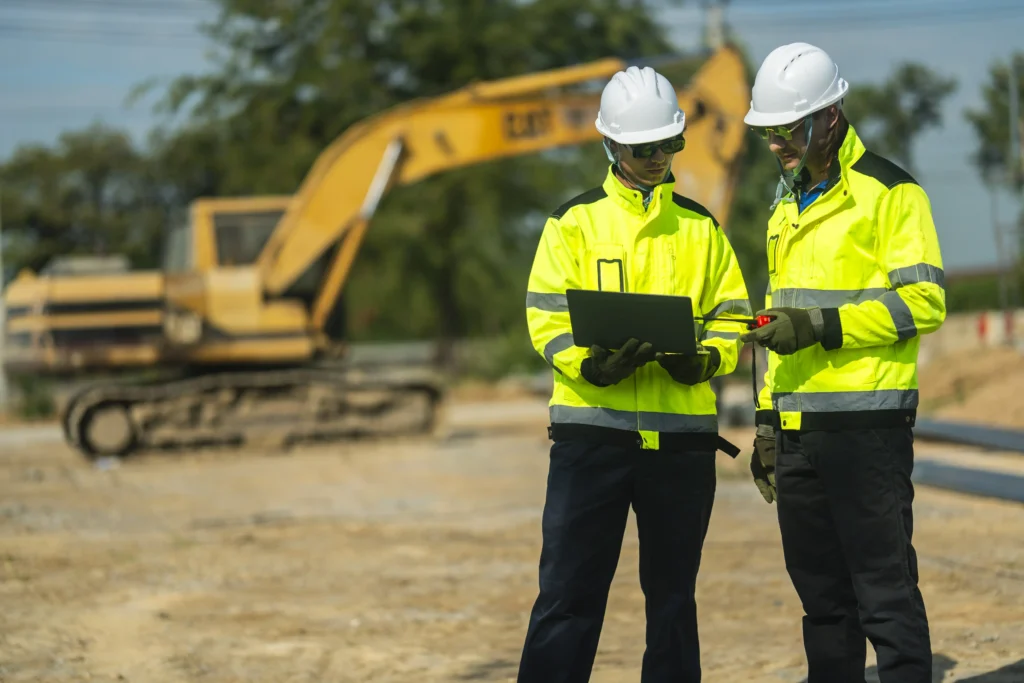
A mining labour dispute creates unique operational risk because mine sites are complex environments. A single operation may include access roads, camp facilities, contractor yards, fuel storage, electrical infrastructure, administrative offices, processing areas, haul roads and remote work zones.
A proper risk assessment should identify the areas where disruption would create the most serious consequences. For many mining operations, that means the main gate, picket line locations, contractor access points, fuel and electrical infrastructure, emergency response routes and areas where management or critical personnel may be exposed.
In British Columbia, the Labour Relations Board states that it has exclusive jurisdiction to decide whether a strike, lockout or picketing is lawful, and whether an employer is using replacement workers contrary to the Labour Relations Code.
Source: BC Labour Relations Board
That legal backdrop makes early planning important. A security provider should not improvise once a dispute begins. The company, labour counsel and security team should understand the site layout, likely pressure points and the conduct that may require documentation or escalation.
Build a Mining Labour Dispute Access Plan
During a mining labour dispute, the movement of people and vehicles often becomes the central operational issue.
A proper access plan should define how employees, contractors, suppliers, managers and authorized visitors will enter and leave the site. It should also account for traffic flow, staging areas, safe vehicle movement, driver instructions, picket line delays and communication with supervisors.
The goal is not confrontation. The goal is safe, lawful and documented movement.
For remote or industrial mine sites, this planning becomes even more important because access routes may be limited. A single road may serve the entire operation. If that road becomes blocked, delayed or unsafe, the impact can spread quickly.
A strong access plan gives supervisors and security personnel a shared operating picture. It helps them understand who needs access, which route should be used, how delays will be recorded and when the issue needs to escalate to site leadership, legal counsel or police.
A Practical Example: Preparing a Remote Mine Before Picketing Begins
Consider a remote mining operation approaching the expiry of a collective agreement. The site has one primary access road, a contractor staging area, camp housing, fuel storage, maintenance facilities and daily supplier traffic. Waiting until picketing begins would leave management reacting under pressure.
A proactive plan identifies the main access risks before the dispute starts. Site leadership defines vehicle routes, staging areas, reporting expectations, evidence collection procedures and police communication protocols. Security supervisors brief personnel on professional conduct, documentation standards and escalation thresholds.
If picketing begins, the site is not starting from zero. Drivers know where to stage. Supervisors know who receives incident reports. Security personnel know what to document. Labour counsel receives organized information instead of scattered updates. Police communication remains factual and controlled.
That preparation does not eliminate the dispute, but it can reduce confusion, protect critical movement and help the employer maintain operational continuity.
Use Trained Personnel, Not Just More Personnel
A common mistake in labour dispute planning is assuming that more guards automatically means better control.
In reality, labour dispute security requires the right personnel, not just a larger headcount.
Security personnel assigned to a mining labour dispute should understand conflict management, access control, documentation, evidence collection, radio communication, escalation protocols and professional conduct around picket lines.
The wrong tone can make a tense situation worse. An aggressive posture, poor communication or unclear direction may increase confrontation instead of reducing it.
A trained team should focus on maintaining calm, observing conduct, documenting incidents, supporting safe movement and communicating clearly with site leadership. This matters in mining, where the security team may interact with unionized workers, managers, contractors, replacement personnel, suppliers, police, media or members of the public.
Mining Labour Dispute Evidence Should Be Ready Early
Evidence collection can determine whether the employer has a defensible record or only a collection of claims after the fact.
During a labour dispute, evidence may support injunctive relief, police involvement, civil action, internal decision-making or communication with labour counsel. That evidence may include video footage, still photographs, drone footage where appropriate, written notes, incident reports, witness statements, vehicle delay logs and access records.
The Canada Evidence Act recognizes that records made in the usual and ordinary course of business can be admissible in legal proceedings, subject to the requirements of the Act and the court’s assessment.
Source: Canada Evidence Act, Section 30
That reinforces the value of disciplined reporting. Evidence should not sit on personal phones, scattered email threads or informal message chains. The employer should know who collected the evidence, when they collected it, where the original file sits, who received a copy and whether anyone altered the file.
For mining companies, this can matter when a dispute involves blocked access, threats, property damage, vehicle interference or unsafe conduct near critical infrastructure.
Prepare for Police Communication
Police communication can become an important part of labour dispute response, but employers should understand the police role clearly.
Police do not normally manage the employer’s access strategy or enforce private picket line rules simply because a company requests it. Their role depends on the facts, including safety concerns, threats, blocked access, property damage, criminal conduct or risk of breach of the peace.
The Toronto Police Service states that police may help explain their role during a labour dispute, establish contact with union and employer representatives, help prevent breaches of the peace through communication and document developments throughout the dispute. It also states that police do not set or enforce picket line protocols or open picket lines unless there is an immediate safety concern.
Source: Toronto Police Service
This is why clear documentation matters. Vague complaints rarely help. Clear timelines, video, incident reports, vehicle delay records and specific safety concerns give police a better picture of what occurred.
Mining companies should decide in advance who will communicate with police, what information that person will provide and how the communication will be documented.
Consider Executive and Management Safety
Labour disputes can create pressure beyond the mine gate.
Senior managers, executives, labour relations personnel and supervisors may face personal stress, public attention or targeted confrontation. In some cases, safety concerns may extend to parking areas, offices, hotels, travel routes or residences.
Mining companies should not ignore this risk. Executive and management safety planning may include secure transportation, parking arrangements, travel briefings, residential awareness, check-in procedures and route planning.
The goal is not to create fear. The goal is to maintain leadership stability during a sensitive operational period. When decision-makers feel unsafe or unsupported, the entire dispute response can suffer.
Account for Replacement Worker Rules
Labour dispute planning must also reflect the legal environment.
Federally regulated employers now face replacement worker restrictions under amendments to the Canada Labour Code. Employment and Social Development Canada states that the replacement worker ban applies to strikes or lockouts ongoing on or after June 20, 2025, and that maintenance-of-activities requirements apply to collective bargaining processes where notice to bargain is given on or after that date.
Source: Employment and Social Development Canada
Provincial rules may also apply depending on the jurisdiction. In British Columbia, the Labour Relations Board states that it has jurisdiction to decide whether an employer is using replacement workers contrary to the Labour Relations Code.
Source: BC Labour Relations Board
Security providers should not provide legal advice. However, they should understand that labour dispute operations occur within a legal framework. Access planning, staffing movement, contractor coordination and evidence collection should align with labour counsel and the employer’s operational strategy.
Build a Clear Command Structure
A labour dispute response can fail when no one knows who is in charge.
Before the dispute begins, the employer should define who makes decisions, who communicates with security, who speaks with labour counsel, who contacts police, who manages contractors and who receives incident reports.
For mining operations, this structure should also account for shift changes, remote supervisors, camp managers, road access personnel and corporate leadership.
A clear command structure prevents conflicting instructions from reaching the field team. It also helps the employer maintain control when the dispute becomes active.
The Best Mining Labour Dispute Response Starts Early
A mining labour dispute does not have to become a crisis.
With early planning, a mining company can identify risk areas, prepare access routes, brief supervisors, train security personnel, establish evidence systems, protect executives, coordinate with police and maintain better operational continuity.
The strongest labour dispute plans combine people, process and documentation. Security presence matters, but it is only one part of the response. The real value comes from preparation, supervision, communication and the ability to prove what happened if the dispute escalates.
When this planning is done properly, the result is a more controlled dispute environment. Site leadership receives clearer information, access decisions become more consistent, evidence is easier to organize, and security personnel understand their role before pressure increases. The goal is not to eliminate every disruption. The goal is to reduce preventable confusion, protect people and infrastructure, and preserve the employer’s ability to respond.
At Western Protection Alliance, labour dispute security is built around practical field execution. We help clients plan before tensions rise, manage access safely, document incidents, support communication and maintain control during high-risk operational periods.
If your mining operation is approaching collective bargaining, preparing for a possible strike or reviewing its contingency plan, the best time to strengthen the response is before the picket line forms.
Sources
- BC Labour Relations Board – Strikes, Lockouts, Picketing, and Replacement Workers
https://www.lrb.bc.ca/strikes-lockouts-picketing-and-replacement-workers - Canada Evidence Act, Section 30 – Business Records to Be Admitted in Evidence
https://laws-lois.justice.gc.ca/eng/acts/C-5/section-30.html - Toronto Police Service – Labour Disputes
https://www.tps.ca/demonstrations/labour-disputes/ - Employment and Social Development Canada – Replacement Workers Legislation Now in Force
https://www.canada.ca/en/employment-social-development/news/2025/06/protecting-canadian-labour-replacement-workers-legislation-now-in-force.html - Western Protection Alliance – Mine Security: Safeguarding Operations During Labour Disputes
https://www.westernalliance.ca/mine-security/